
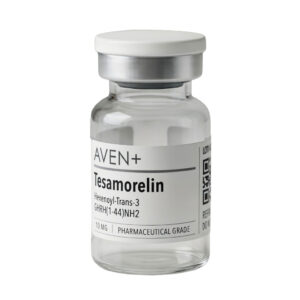
Lab Result: Tesamorelin 10mg
- Lab:
- Freedom Diagnostics
- Avg. Purity:
- 99.67%
- Avg. Mass:
- 13.24mg
- Result Date:
- October 24, 2026
- Search Code:
- Aven2610230170
- Lot:
- ATE-010
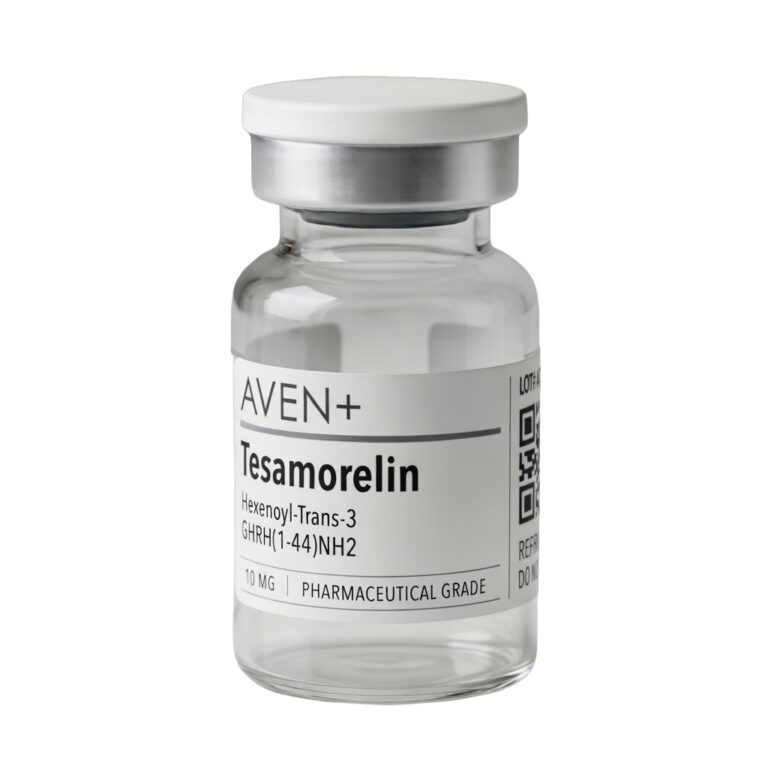
Tesamorelin is a stabilized synthetic analog of growth hormone–releasing hormone (GHRH) designed to stimulate endogenous growth hormone (GH) production through pituitary receptor activation. Originally developed by Theratechnologies, tesamorelin is widely studied in endocrine, metabolic, and body-composition research for its targeted effects on the somatotropic (GH–IGF-1) axis.
1. Stimulates Natural Growth Hormone Secretion
Tesamorelin binds to GHRH receptors on pituitary somatotroph cells, activating cAMP-dependent signaling that promotes physiological GH synthesis and release. This upstream mechanism supports natural hormone rhythms rather than replacing GH directly.
2. Preserves Pulsatile GH Release and Endocrine Balance
By stimulating the body’s own GH production, tesamorelin helps maintain normal pulsatile GH secretion, which is important for receptor sensitivity and long-term endocrine stability. This makes it valuable in studies of hypothalamic–pituitary feedback regulation.
3. Improves Body Composition Research Outcomes
GH signaling influences lipolysis and fat distribution. Tesamorelin is extensively studied for its effects on visceral adipose tissue reduction and overall body-composition changes, making it central to metabolic and obesity-related research.
4. Supports Lean Mass and Muscle Metabolism Studies
Through GH and downstream IGF-1 signaling, tesamorelin supports pathways involved in protein synthesis, muscle maintenance, and recovery. Researchers use it to examine lean mass preservation and musculoskeletal metabolism.
5. Enhances Metabolic Health Markers
Tesamorelin’s influence on GH can affect lipid metabolism, insulin dynamics, and energy utilization. Research explores its role in improving metabolic efficiency and cardiometabolic risk factors, particularly those linked to excess visceral fat.
6. Long-Acting, Stabilized Peptide Design
A structural modification improves tesamorelin’s stability and resistance to enzymatic degradation, allowing for consistent receptor engagement. This makes it useful for studying chronic GH axis modulation and peptide pharmacokinetics.
7. Maintains Normal Pituitary Function
Unlike exogenous GH administration, tesamorelin works within the body’s regulatory framework, preserving pituitary responsiveness and minimizing disruption to other pituitary hormones—an important feature for long-term endocrine research.
8. Valuable Tool in Aging and Hormonal Decline Research
GH levels decline with age. Tesamorelin is frequently studied in aging and longevity research to understand how restoring endogenous GH signaling may support body composition, metabolic health, and cellular repair pathways over time.
9. Supports Liver-Mediated IGF-1 Signaling Research
By increasing GH, tesamorelin indirectly raises IGF-1 production in the liver. This GH–IGF-1 interaction is central to studies of growth signaling, tissue repair, and metabolic regulation.
10. Widely Used in Endocrine and Metabolic Research
Tesamorelin is commonly used to study:
Somatotropic axis regulation
Visceral fat metabolism
GH pulse dynamics
Peptide stability and receptor kinetics
Endocrine feedback mechanisms
Summary
In research and clinical contexts, tesamorelin is valued for its benefits related to natural growth hormone stimulation, visceral fat reduction, improved body composition, metabolic regulation, and preservation of endocrine balance. Its stabilized GHRH-analog design makes it a key compound for advancing understanding of GH axis modulation and metabolic health.
Only logged in customers who have purchased this product may leave a review.
Lyophilized (freeze-dried) peptides should be stored in a refrigerator at 2–8°C (36–46°F). For long-term storage, they should be kept in a freezer at -20°C (-4°F) or below. Once reconstituted, peptides must be stored in a refrigerator at 2–8°C (36–46°F) and should not be left at room temperature for extended periods.
Add 1mL of bacteriostatic water to get a solution that is 10mg/mL, such that every 0.1mL (10 units on an insulin syringe) is equal to 1mg of Tesamorelin.
Tesamorelin is a stabilized synthetic analog of growth hormone–releasing hormone (GHRH) designed to stimulate endogenous growth hormone (GH) production through pituitary receptor activation. Originally developed by Theratechnologies, tesamorelin is widely studied in endocrine, metabolic, and body-composition research for its targeted effects on the somatotropic (GH–IGF-1) axis.
1. Stimulates Natural Growth Hormone Secretion
Tesamorelin binds to GHRH receptors on pituitary somatotroph cells, activating cAMP-dependent signaling that promotes physiological GH synthesis and release. This upstream mechanism supports natural hormone rhythms rather than replacing GH directly.
2. Preserves Pulsatile GH Release and Endocrine Balance
By stimulating the body’s own GH production, tesamorelin helps maintain normal pulsatile GH secretion, which is important for receptor sensitivity and long-term endocrine stability. This makes it valuable in studies of hypothalamic–pituitary feedback regulation.
3. Improves Body Composition Research Outcomes
GH signaling influences lipolysis and fat distribution. Tesamorelin is extensively studied for its effects on visceral adipose tissue reduction and overall body-composition changes, making it central to metabolic and obesity-related research.
4. Supports Lean Mass and Muscle Metabolism Studies
Through GH and downstream IGF-1 signaling, tesamorelin supports pathways involved in protein synthesis, muscle maintenance, and recovery. Researchers use it to examine lean mass preservation and musculoskeletal metabolism.
5. Enhances Metabolic Health Markers
Tesamorelin’s influence on GH can affect lipid metabolism, insulin dynamics, and energy utilization. Research explores its role in improving metabolic efficiency and cardiometabolic risk factors, particularly those linked to excess visceral fat.
6. Long-Acting, Stabilized Peptide Design
A structural modification improves tesamorelin’s stability and resistance to enzymatic degradation, allowing for consistent receptor engagement. This makes it useful for studying chronic GH axis modulation and peptide pharmacokinetics.
7. Maintains Normal Pituitary Function
Unlike exogenous GH administration, tesamorelin works within the body’s regulatory framework, preserving pituitary responsiveness and minimizing disruption to other pituitary hormones—an important feature for long-term endocrine research.
8. Valuable Tool in Aging and Hormonal Decline Research
GH levels decline with age. Tesamorelin is frequently studied in aging and longevity research to understand how restoring endogenous GH signaling may support body composition, metabolic health, and cellular repair pathways over time.
9. Supports Liver-Mediated IGF-1 Signaling Research
By increasing GH, tesamorelin indirectly raises IGF-1 production in the liver. This GH–IGF-1 interaction is central to studies of growth signaling, tissue repair, and metabolic regulation.
10. Widely Used in Endocrine and Metabolic Research
Tesamorelin is commonly used to study:
Somatotropic axis regulation
Visceral fat metabolism
GH pulse dynamics
Peptide stability and receptor kinetics
Endocrine feedback mechanisms
Summary
In research and clinical contexts, tesamorelin is valued for its benefits related to natural growth hormone stimulation, visceral fat reduction, improved body composition, metabolic regulation, and preservation of endocrine balance. Its stabilized GHRH-analog design makes it a key compound for advancing understanding of GH axis modulation and metabolic health.

Not gonna lie, the 1-vial and 10-vial options are handy. Makes planning research quantities a whole lot easier, eh?
Was checking out different peptides for a research project and came across Aven. The 10mg option looks pretty straightforward, and the product info is decent. No fuss
A buddy and I were chatting about different peptides used in metabolic research, which got me curious about tesamorelin. I ended up doing a bit of reading and found Aven’s listing. I appreciate that they explain the compound’s research background and outline their testing process. I’d still want to check the actual batch report before ordering, but the information is a decent starting point
Been digging into tesamorelin research lately. The product page is easy to navigate, pricing is clear, and the vial options are handy. Can’t complain about that
I’m pretty picky when it comes to checking research materials. I was looking through suppliers over the weekend and noticed Aven’s quality-control information. The details about identity testing and batch verification are worth checking out. That’s the kind of transparency I appreciate
I’ve been spending my evenings reading up on tesamorelin and how it interacts with growth hormone pathways. Came across Aven while comparing Canadian suppliers. The 10mg format caught my eye, and having clear product specifications is definitely a plus. Pretty solid first impression, I’d say
Only logged in customers who have purchased this product may leave a review.
Lyophilized (freeze-dried) peptides should be stored in a refrigerator at 2–8°C (36–46°F). For long-term storage, they should be kept in a freezer at -20°C (-4°F) or below. Once reconstituted, peptides must be stored in a refrigerator at 2–8°C (36–46°F) and should not be left at room temperature for extended periods.
Add 1mL of bacteriostatic water to get a solution that is 10mg/mL, such that every 0.1mL (10 units on an insulin syringe) is equal to 1mg of Tesamorelin.

Avery Thompson (verified owner) –
Not gonna lie, the 1-vial and 10-vial options are handy. Makes planning research quantities a whole lot easier, eh?
Mitchell Fraser (verified owner) –
Was checking out different peptides for a research project and came across Aven. The 10mg option looks pretty straightforward, and the product info is decent. No fuss
Gavin Rush (verified owner) –
A buddy and I were chatting about different peptides used in metabolic research, which got me curious about tesamorelin. I ended up doing a bit of reading and found Aven’s listing. I appreciate that they explain the compound’s research background and outline their testing process. I’d still want to check the actual batch report before ordering, but the information is a decent starting point
Tyler B. (verified owner) –
Been digging into tesamorelin research lately. The product page is easy to navigate, pricing is clear, and the vial options are handy. Can’t complain about that
Cole Z. (verified owner) –
I’m pretty picky when it comes to checking research materials. I was looking through suppliers over the weekend and noticed Aven’s quality-control information. The details about identity testing and batch verification are worth checking out. That’s the kind of transparency I appreciate
Jordan Leod (verified owner) –
I’ve been spending my evenings reading up on tesamorelin and how it interacts with growth hormone pathways. Came across Aven while comparing Canadian suppliers. The 10mg format caught my eye, and having clear product specifications is definitely a plus. Pretty solid first impression, I’d say