
Lab Result: Retatrutide 30mg
- Lab:
- Freedom Diagnostics
- Avg. Purity:
- 99.97%
- Avg. Mass:
- 30.07mg
- Result Date:
- October 24, 2026
- Search Code:
- Aven2610230162
- Lot:
- ART-030
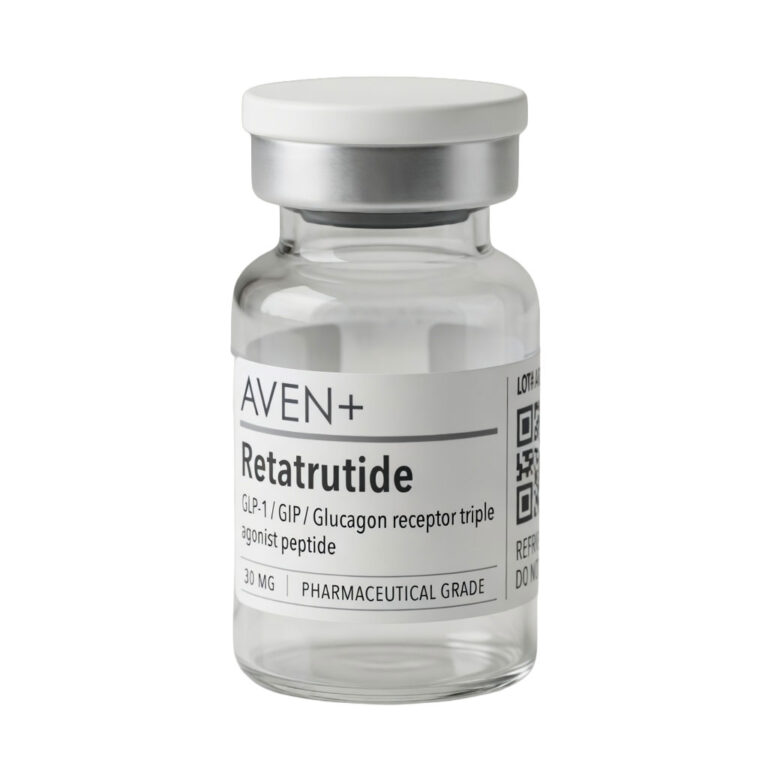
Retatrutide 30 mg is a high-strength, next-generation triple-agonist research peptide developed by Eli Lilly. It is designed to simultaneously activate GLP-1, GIP, and glucagon receptors, offering a comprehensive approach to studying weight regulation, metabolic efficiency, and energy balance. The 30 mg format is commonly referenced in advanced research models that explore dose-dependent metabolic signaling and sustained pathway activation.
1. Advanced Appetite and Satiety Control
Through GLP-1 and GIP receptor activation, Retatrutide 30 mg is studied for its strong influence on central appetite signaling. Research shows these pathways help reduce hunger cues, increase satiety, and regulate caloric intake, making the compound highly relevant to obesity and appetite-control research.
2. Supports Blood Glucose and Insulin Signaling
Retatrutide’s incretin activity supports glucose-dependent insulin regulation, helping stabilize post-meal glucose levels in experimental models. This benefit is central to studies focused on type 2 diabetes mechanisms, insulin sensitivity, and metabolic syndrome.
3. Increases Energy Expenditure via Glucagon Receptor Activation
A defining benefit of Retatrutide is its activation of the glucagon receptor, which is associated with increased energy expenditure and thermogenic activity. This pathway supports research into metabolic rate enhancement and energy utilization, differentiating Retatrutide from GLP-1-only compounds.
4. Promotes Fat Oxidation and Metabolic Flexibility
By integrating glucagon signaling with incretin effects, Retatrutide 30 mg is studied for its role in fat oxidation and substrate switching. This makes it valuable in research examining body-fat reduction, lipid metabolism, and long-term metabolic adaptation.
5. Multi-Pathway Weight Management Research
Retatrutide’s triple-agonist mechanism allows researchers to study weight regulation through multiple complementary pathways at once—appetite suppression, glucose control, and energy expenditure—supporting more comprehensive models of sustained weight-loss biology.
6. Dose-Dependent and Long-Acting Research Advantages
The 30 mg strength enables investigation of dose-response relationships and prolonged receptor engagement. Its long-acting peptide design supports studies focused on chronic metabolic regulation and signaling durability.
7. Supports Cardiometabolic Health Research
Weight balance, insulin regulation, and lipid metabolism are closely linked to cardiometabolic risk factors. Retatrutide 30 mg is widely studied in experimental models assessing obesity-related metabolic dysfunction and systemic energy imbalance.
8. Key Compound in Next-Generation Metabolic Therapy Research
Retatrutide represents a new class of multi-agonist metabolic peptides, making the 30 mg formulation particularly valuable for studying:
Integrated hormone signaling
Energy balance and fat metabolism
Obesity and diabetes mechanisms
Future peptide-based therapeutic strategies
Summary
In research settings, Retatrutide 30 mg is valued for its potential benefits related to appetite suppression, glucose regulation, increased energy expenditure, fat oxidation, and comprehensive metabolic signaling. Its unique GLP-1, GIP, and glucagon triple-agonist design positions it at the forefront of advanced obesity and metabolic research.
Only logged in customers who have purchased this product may leave a review.
Lyophilized (freeze-dried) peptides should be stored in a refrigerator at 2–8°C (36–46°F). For long-term storage, they should be kept in a freezer at -20°C (-4°F) or below. Once reconstituted, peptides must be stored in a refrigerator at 2–8°C (36–46°F) and should not be left at room temperature for extended periods.
Add 2mL of bacteriostatic water to get a solution that is 15mg/mL, such that every 0.1mL (10 units on an insulin syringe) is equal to 1.5mg of Retatrutide.
Retatrutide 30 mg is a high-strength, next-generation triple-agonist research peptide developed by Eli Lilly. It is designed to simultaneously activate GLP-1, GIP, and glucagon receptors, offering a comprehensive approach to studying weight regulation, metabolic efficiency, and energy balance. The 30 mg format is commonly referenced in advanced research models that explore dose-dependent metabolic signaling and sustained pathway activation.
1. Advanced Appetite and Satiety Control
Through GLP-1 and GIP receptor activation, Retatrutide 30 mg is studied for its strong influence on central appetite signaling. Research shows these pathways help reduce hunger cues, increase satiety, and regulate caloric intake, making the compound highly relevant to obesity and appetite-control research.
2. Supports Blood Glucose and Insulin Signaling
Retatrutide’s incretin activity supports glucose-dependent insulin regulation, helping stabilize post-meal glucose levels in experimental models. This benefit is central to studies focused on type 2 diabetes mechanisms, insulin sensitivity, and metabolic syndrome.
3. Increases Energy Expenditure via Glucagon Receptor Activation
A defining benefit of Retatrutide is its activation of the glucagon receptor, which is associated with increased energy expenditure and thermogenic activity. This pathway supports research into metabolic rate enhancement and energy utilization, differentiating Retatrutide from GLP-1-only compounds.
4. Promotes Fat Oxidation and Metabolic Flexibility
By integrating glucagon signaling with incretin effects, Retatrutide 30 mg is studied for its role in fat oxidation and substrate switching. This makes it valuable in research examining body-fat reduction, lipid metabolism, and long-term metabolic adaptation.
5. Multi-Pathway Weight Management Research
Retatrutide’s triple-agonist mechanism allows researchers to study weight regulation through multiple complementary pathways at once—appetite suppression, glucose control, and energy expenditure—supporting more comprehensive models of sustained weight-loss biology.
6. Dose-Dependent and Long-Acting Research Advantages
The 30 mg strength enables investigation of dose-response relationships and prolonged receptor engagement. Its long-acting peptide design supports studies focused on chronic metabolic regulation and signaling durability.
7. Supports Cardiometabolic Health Research
Weight balance, insulin regulation, and lipid metabolism are closely linked to cardiometabolic risk factors. Retatrutide 30 mg is widely studied in experimental models assessing obesity-related metabolic dysfunction and systemic energy imbalance.
8. Key Compound in Next-Generation Metabolic Therapy Research
Retatrutide represents a new class of multi-agonist metabolic peptides, making the 30 mg formulation particularly valuable for studying:
Integrated hormone signaling
Energy balance and fat metabolism
Obesity and diabetes mechanisms
Future peptide-based therapeutic strategies
Summary
In research settings, Retatrutide 30 mg is valued for its potential benefits related to appetite suppression, glucose regulation, increased energy expenditure, fat oxidation, and comprehensive metabolic signaling. Its unique GLP-1, GIP, and glucagon triple-agonist design positions it at the forefront of advanced obesity and metabolic research.

During a discussion about emerging metabolic therapies, someone brought up how triple-receptor agonists differ from dual agonists. What interested me wasn’t just the number of receptors, but how they influence different signalling pathways. Retatrutide makes for a fascinating research topic, though the clinical evidence needs to be interpreted carefully
Started reading about metabolic receptors before bed and somehow ended up learning about GLP-1, GIP, and glucagon all at once. Retatrutide is definitely an interesting molecule. Didn’t expect my evening reading to turn into a biology lesson
A conversation about metabolic research got me interested in the next generation of incretin-based compounds. I started by reading about GLP-1 therapies, then moved into dual and triple agonists. Retatrutide’s receptor profile is particularly interesting because it combines several hormonal pathways in one molecule. While looking through research suppliers, I found Aven’s 30mg listing and its analytical documentation. The reported results are useful for comparison, but I’d still separate supplier testing claims from evidence of pharmaceutical quality and clinical safety. Better to understand the limitations than get caught up in the hype
For a research materials evaluation, I’d examine the compound’s identity, purity, measured mass, and analytical method separately. Aven lists batch-specific information for Retatrutide 30mg, but a purity percentage alone cannot establish sterility, safety, or suitability for administration to humans
Thirty milligrams caught my attention straight away. A different format to compare, and the specifications are easy enough to follow
I was looking at how different suppliers present their 10mg and 30mg Retatrutide products. It was interesting to compare the labelled amounts against the measured values in the reports. The bigger format doesn’t automatically mean better quality, so checking the supporting data is a good call
Not gonna lie, I appreciate product pages that make the technical details easy to find. The batch information is right there, which saves a fair bit of digging around. Decent layout
Forget the fancy marketing. Give me proper batch documentation and verifiable test results. That’s what matters
A batch number, testing date, and purity figure all in one spot? That’s the kind of detail I appreciate, bud
What I find interesting about Retatrutide is how researchers are investigating appetite regulation, glucose metabolism, and energy expenditure through multiple receptor pathways. The biological mechanisms are complicated, and there’s still plenty to learn about the long-term clinical implications. Definitely a subject worth following
One molecule interacting with three receptor systems? Pretty wild when you think about it. The science is low-key fascinating.
I had a spreadsheet going with different peptide formulations, listed quantities, and testing results. The 30mg version was another useful comparison point. Not exactly exciting weekend plans, but that’s how I roll.
The 30mg specification is clear, and the laboratory information is linked on the page. Simple presentation. No fuss
Was killing time during a rainy afternoon and ended up reading about incretin hormones. Retatrutide came up, and before I knew it, I’d gone through a bunch of research articles. Quite the rabbit hole, eh?
I’m not easily impressed by claims of premium quality anymore. When reviewing peptide listings, I pay more attention to actual batch results, identification methods, and traceability. Aven’s Retatrutide 30mg page provides a reported purity result and measured mass, which are useful starting points. I’d still want independent confirmation before drawing conclusions about product quality
Had a few research supplier pages open on my laptop after work. What I really wanted to compare was the analytical data, not just the vial sizes. Aven’s published report gave me some actual numbers to look into. Pretty handy
Only logged in customers who have purchased this product may leave a review.
Lyophilized (freeze-dried) peptides should be stored in a refrigerator at 2–8°C (36–46°F). For long-term storage, they should be kept in a freezer at -20°C (-4°F) or below. Once reconstituted, peptides must be stored in a refrigerator at 2–8°C (36–46°F) and should not be left at room temperature for extended periods.
Add 2mL of bacteriostatic water to get a solution that is 15mg/mL, such that every 0.1mL (10 units on an insulin syringe) is equal to 1.5mg of Retatrutide.

Ashton R. (verified owner) –
During a discussion about emerging metabolic therapies, someone brought up how triple-receptor agonists differ from dual agonists. What interested me wasn’t just the number of receptors, but how they influence different signalling pathways. Retatrutide makes for a fascinating research topic, though the clinical evidence needs to be interpreted carefully
Alpine Dexter (verified owner) –
Started reading about metabolic receptors before bed and somehow ended up learning about GLP-1, GIP, and glucagon all at once. Retatrutide is definitely an interesting molecule. Didn’t expect my evening reading to turn into a biology lesson
HunterX (verified owner) –
A conversation about metabolic research got me interested in the next generation of incretin-based compounds. I started by reading about GLP-1 therapies, then moved into dual and triple agonists. Retatrutide’s receptor profile is particularly interesting because it combines several hormonal pathways in one molecule. While looking through research suppliers, I found Aven’s 30mg listing and its analytical documentation. The reported results are useful for comparison, but I’d still separate supplier testing claims from evidence of pharmaceutical quality and clinical safety. Better to understand the limitations than get caught up in the hype
Bryce (verified owner) –
For a research materials evaluation, I’d examine the compound’s identity, purity, measured mass, and analytical method separately. Aven lists batch-specific information for Retatrutide 30mg, but a purity percentage alone cannot establish sterility, safety, or suitability for administration to humans
Kellan R. (verified owner) –
Thirty milligrams caught my attention straight away. A different format to compare, and the specifications are easy enough to follow
Coastal Myles (verified owner) –
I was looking at how different suppliers present their 10mg and 30mg Retatrutide products. It was interesting to compare the labelled amounts against the measured values in the reports. The bigger format doesn’t automatically mean better quality, so checking the supporting data is a good call
NorthernCody (verified owner) –
Not gonna lie, I appreciate product pages that make the technical details easy to find. The batch information is right there, which saves a fair bit of digging around. Decent layout
Frosty Ronan (verified owner) –
Forget the fancy marketing. Give me proper batch documentation and verifiable test results. That’s what matters
Prairie Weston (verified owner) –
A batch number, testing date, and purity figure all in one spot? That’s the kind of detail I appreciate, bud
Jensen T. (verified owner) –
What I find interesting about Retatrutide is how researchers are investigating appetite regulation, glucose metabolism, and energy expenditure through multiple receptor pathways. The biological mechanisms are complicated, and there’s still plenty to learn about the long-term clinical implications. Definitely a subject worth following
Cedar Griffin (verified owner) –
One molecule interacting with three receptor systems? Pretty wild when you think about it. The science is low-key fascinating.
Rocky Lennox (verified owner) –
I had a spreadsheet going with different peptide formulations, listed quantities, and testing results. The 30mg version was another useful comparison point. Not exactly exciting weekend plans, but that’s how I roll.
Alpine Dexter (verified owner) –
The 30mg specification is clear, and the laboratory information is linked on the page. Simple presentation. No fuss
Pacific Talon (verified owner) –
Was killing time during a rainy afternoon and ended up reading about incretin hormones. Retatrutide came up, and before I knew it, I’d gone through a bunch of research articles. Quite the rabbit hole, eh?
Canuck Holden (verified owner) –
I’m not easily impressed by claims of premium quality anymore. When reviewing peptide listings, I pay more attention to actual batch results, identification methods, and traceability. Aven’s Retatrutide 30mg page provides a reported purity result and measured mass, which are useful starting points. I’d still want independent confirmation before drawing conclusions about product quality
Glacier Tate (verified owner) –
Had a few research supplier pages open on my laptop after work. What I really wanted to compare was the analytical data, not just the vial sizes. Aven’s published report gave me some actual numbers to look into. Pretty handy