
Lab Result: BPC 10mg
- Lab:
- Freedom Diagnostics
- Avg. Purity:
- 99.81%
- Avg. Mass:
- 10.55mg
- Result Date:
- October 24, 2026
- Search Code:
- Aven2610230118
- Lot:
- ABP-010
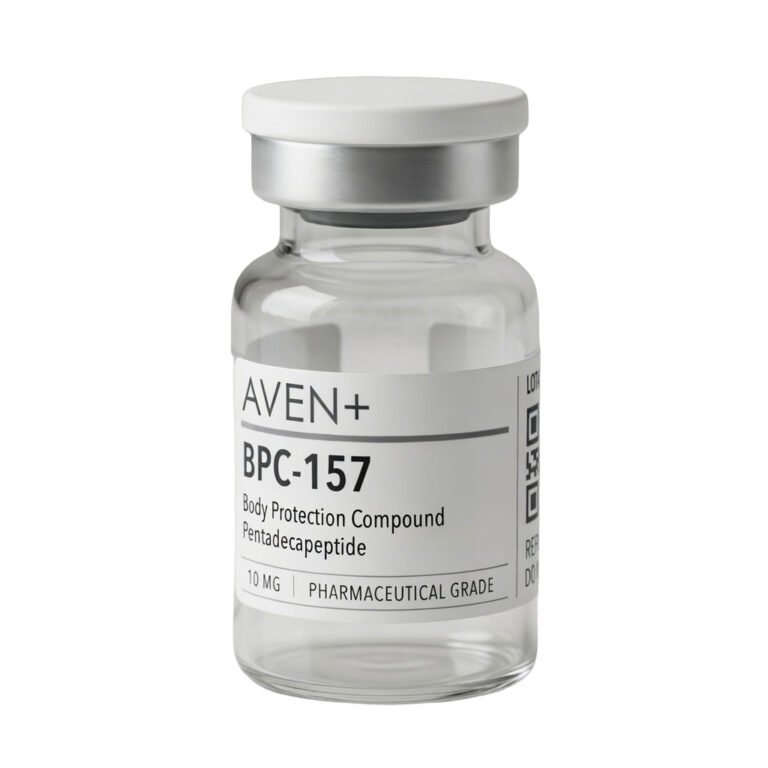
BPC-157 (Body Protection Compound-157) is a synthetic research peptide derived from a naturally occurring protein found in gastric juice. It has gained significant attention in scientific and biomedical research due to its broad potential benefits related to cellular protection, tissue repair, and regenerative processes. Below is a long-form, SEO-friendly overview of the key benefits of BPC-157 based on experimental and preclinical research.
1. Supports Tissue Repair and Regeneration
One of the most studied benefits of BPC-157 is its potential role in accelerating tissue healing. Research suggests it may support the repair of muscles, tendons, ligaments, and connective tissue by influencing cellular signaling involved in regeneration. This makes BPC-157 a valuable research model for understanding recovery mechanisms after physical stress or injury.
2. Promotes Angiogenesis (Blood Vessel Formation)
BPC-157 has been shown in studies to influence angiogenic signaling, the process by which new blood vessels form. Healthy angiogenesis is essential for delivering oxygen and nutrients to damaged tissues, supporting faster and more efficient healing at the cellular level.
3. Cytoprotective Effects at the Cellular Level
Another key benefit of BPC-157 is its cytoprotective activity, meaning it may help protect cells from damage caused by stress, inflammation, or toxic exposure. This protective role is linked to its ability to maintain cellular integrity and support normal biological function under adverse conditions.
4. Supports Gastrointestinal Integrity
Because BPC-157 originates from a compound found in gastric juice, it has been widely researched for its effects on gut and digestive tissue health. Experimental data suggest it may help maintain the integrity of the gastrointestinal lining and support repair of the mucosal barrier under stress conditions.
5. Modulates Nitric Oxide Pathways
Research indicates that BPC-157 interacts with nitric oxide (NO) signaling, a critical pathway involved in blood flow regulation, inflammation balance, and cellular communication. By modulating this pathway, BPC-157 may contribute to improved vascular response and tissue resilience.
6. Influences Growth Factor Expression
BPC-157 has been associated with the regulation of growth factors involved in healing and regeneration. Growth factors play a crucial role in cell migration, proliferation, and extracellular matrix formation, all of which are essential for tissue repair.
7. Supports Extracellular Matrix Remodeling
The extracellular matrix (ECM) provides structural and biochemical support to surrounding cells. Studies suggest BPC-157 may influence ECM remodeling, helping tissues adapt and recover more effectively after stress or injury.
8. Valuable Tool for Regenerative Research
Due to its wide range of biological interactions, BPC-157 is commonly used as a research peptide to study molecular repair mechanisms, stress response, and regenerative biology. Its multi-pathway activity makes it especially useful in experimental models focused on healing and recovery.
Summary
In research settings, BPC-157 is recognized for its potential benefits related to tissue healing, angiogenesis, cellular protection, gut integrity, and regenerative signaling. While ongoing studies continue to explore its full range of mechanisms, BPC-157 remains an important compound for understanding how the body responds to injury and stress at the molecular level.
Only logged in customers who have purchased this product may leave a review.
Lyophilized (freeze-dried) peptides should be stored in a refrigerator at 2–8°C (36–46°F). For long-term storage, they should be kept in a freezer at -20°C (-4°F) or below. Once reconstituted, peptides must be stored in a refrigerator at 2–8°C (36–46°F) and should not be left at room temperature for extended periods.
Add 2mL of bacteriostatic water to get a solution that is 5mg/mL, such that every 0.1mL (10 units on an insulin syringe) is equal to 500mcg of BPC-157.
BPC-157 (Body Protection Compound-157) is a synthetic research peptide derived from a naturally occurring protein found in gastric juice. It has gained significant attention in scientific and biomedical research due to its broad potential benefits related to cellular protection, tissue repair, and regenerative processes. Below is a long-form, SEO-friendly overview of the key benefits of BPC-157 based on experimental and preclinical research.
1. Supports Tissue Repair and Regeneration
One of the most studied benefits of BPC-157 is its potential role in accelerating tissue healing. Research suggests it may support the repair of muscles, tendons, ligaments, and connective tissue by influencing cellular signaling involved in regeneration. This makes BPC-157 a valuable research model for understanding recovery mechanisms after physical stress or injury.
2. Promotes Angiogenesis (Blood Vessel Formation)
BPC-157 has been shown in studies to influence angiogenic signaling, the process by which new blood vessels form. Healthy angiogenesis is essential for delivering oxygen and nutrients to damaged tissues, supporting faster and more efficient healing at the cellular level.
3. Cytoprotective Effects at the Cellular Level
Another key benefit of BPC-157 is its cytoprotective activity, meaning it may help protect cells from damage caused by stress, inflammation, or toxic exposure. This protective role is linked to its ability to maintain cellular integrity and support normal biological function under adverse conditions.
4. Supports Gastrointestinal Integrity
Because BPC-157 originates from a compound found in gastric juice, it has been widely researched for its effects on gut and digestive tissue health. Experimental data suggest it may help maintain the integrity of the gastrointestinal lining and support repair of the mucosal barrier under stress conditions.
5. Modulates Nitric Oxide Pathways
Research indicates that BPC-157 interacts with nitric oxide (NO) signaling, a critical pathway involved in blood flow regulation, inflammation balance, and cellular communication. By modulating this pathway, BPC-157 may contribute to improved vascular response and tissue resilience.
6. Influences Growth Factor Expression
BPC-157 has been associated with the regulation of growth factors involved in healing and regeneration. Growth factors play a crucial role in cell migration, proliferation, and extracellular matrix formation, all of which are essential for tissue repair.
7. Supports Extracellular Matrix Remodeling
The extracellular matrix (ECM) provides structural and biochemical support to surrounding cells. Studies suggest BPC-157 may influence ECM remodeling, helping tissues adapt and recover more effectively after stress or injury.
8. Valuable Tool for Regenerative Research
Due to its wide range of biological interactions, BPC-157 is commonly used as a research peptide to study molecular repair mechanisms, stress response, and regenerative biology. Its multi-pathway activity makes it especially useful in experimental models focused on healing and recovery.
Summary
In research settings, BPC-157 is recognized for its potential benefits related to tissue healing, angiogenesis, cellular protection, gut integrity, and regenerative signaling. While ongoing studies continue to explore its full range of mechanisms, BPC-157 remains an important compound for understanding how the body responds to injury and stress at the molecular level.

When comparing research peptide suppliers, I pay close attention to purity standards, testing methods, and batch traceability. Aven’s stated quality-control process caught my attention, particularly its emphasis on identity verification and analytical testing. I’d still review the actual batch results before making a final decision
The 10mg format looks pretty decent. Straightforward specs, handy quantity options, and none of the extra hassle. Solid first impression.
A couple of buddies at the gym were chatting about BPC-157 and recovery, so I decided to do some digging myself. Turns out there’s some fascinating early research on tissue repair and regenerative signalling. Still plenty of unanswered questions about how it works in humans, though. Good reminder to separate the science from the hype
Spent a good chunk of my Sunday reading about peptides and tissue repair. BPC-157 kept popping up, so naturally I got curious. The research behind it is pretty interesting, especially the cellular recovery side of things. Aven’s product page was easy enough to navigate too. Not bad at all
Was looking into BPC-157 for a research project and came across Aven. The 10mg vial option is pretty handy, and everything’s laid out clearly. No fuss, which I like
I’ve been comparing different peptide products for a while now, and one thing I’ve learned is that documentation matters more than flashy marketing. Aven’s BPC-157 listing caught my eye because it explains the compound’s research background and outlines its testing standards. Having both single-vial and multi-vial options is convenient as well. I’d want to see the actual certificate of analysis, but it’s a decent starting point
Only logged in customers who have purchased this product may leave a review.
Lyophilized (freeze-dried) peptides should be stored in a refrigerator at 2–8°C (36–46°F). For long-term storage, they should be kept in a freezer at -20°C (-4°F) or below. Once reconstituted, peptides must be stored in a refrigerator at 2–8°C (36–46°F) and should not be left at room temperature for extended periods.
Add 2mL of bacteriostatic water to get a solution that is 5mg/mL, such that every 0.1mL (10 units on an insulin syringe) is equal to 500mcg of BPC-157.

BigDavo (verified owner) –
When comparing research peptide suppliers, I pay close attention to purity standards, testing methods, and batch traceability. Aven’s stated quality-control process caught my attention, particularly its emphasis on identity verification and analytical testing. I’d still review the actual batch results before making a final decision
NorthernAce (verified owner) –
The 10mg format looks pretty decent. Straightforward specs, handy quantity options, and none of the extra hassle. Solid first impression.
ChillJay (verified owner) –
A couple of buddies at the gym were chatting about BPC-157 and recovery, so I decided to do some digging myself. Turns out there’s some fascinating early research on tissue repair and regenerative signalling. Still plenty of unanswered questions about how it works in humans, though. Good reminder to separate the science from the hype
WestCoastKev (verified owner) –
Spent a good chunk of my Sunday reading about peptides and tissue repair. BPC-157 kept popping up, so naturally I got curious. The research behind it is pretty interesting, especially the cellular recovery side of things. Aven’s product page was easy enough to navigate too. Not bad at all
RockyRyan (verified owner) –
Was looking into BPC-157 for a research project and came across Aven. The 10mg vial option is pretty handy, and everything’s laid out clearly. No fuss, which I like
MapleMike (verified owner) –
I’ve been comparing different peptide products for a while now, and one thing I’ve learned is that documentation matters more than flashy marketing. Aven’s BPC-157 listing caught my eye because it explains the compound’s research background and outlines its testing standards. Having both single-vial and multi-vial options is convenient as well. I’d want to see the actual certificate of analysis, but it’s a decent starting point